Where Japan’s stories are made

Two studios, eighteen sound stages, a century of craft. Physical production for film, television and streaming, from Edo period backlots to Japan’s only 270 degree LED volume.

Kyoto, since 1926 Scroll Tokyo, since 1935

For over seventy five years Toei has stood at the front of Japanese cinema, from samurai epics to the anime the whole world grew up on. Two working studios carry that craft into every production that comes to Japan.

Studios
Kyoto and Tokyo
Sound stages
18
Productions a year
About 350
Largest permanent backlot in Japan
Kyoto, Uzumasa
Centennial
2026

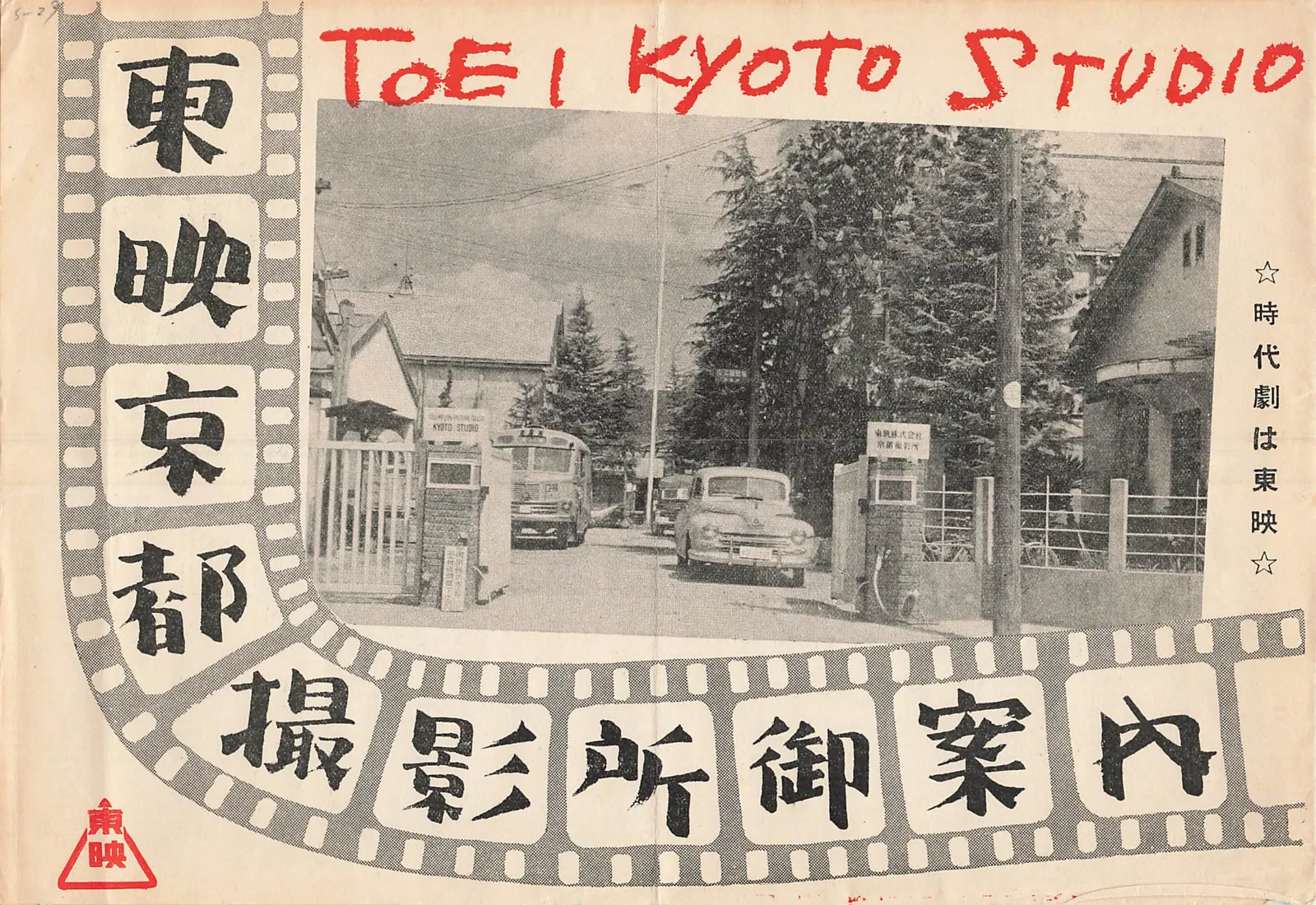
Toei Kyoto Studios

Uzumasa, Kyoto. Founded 1926.

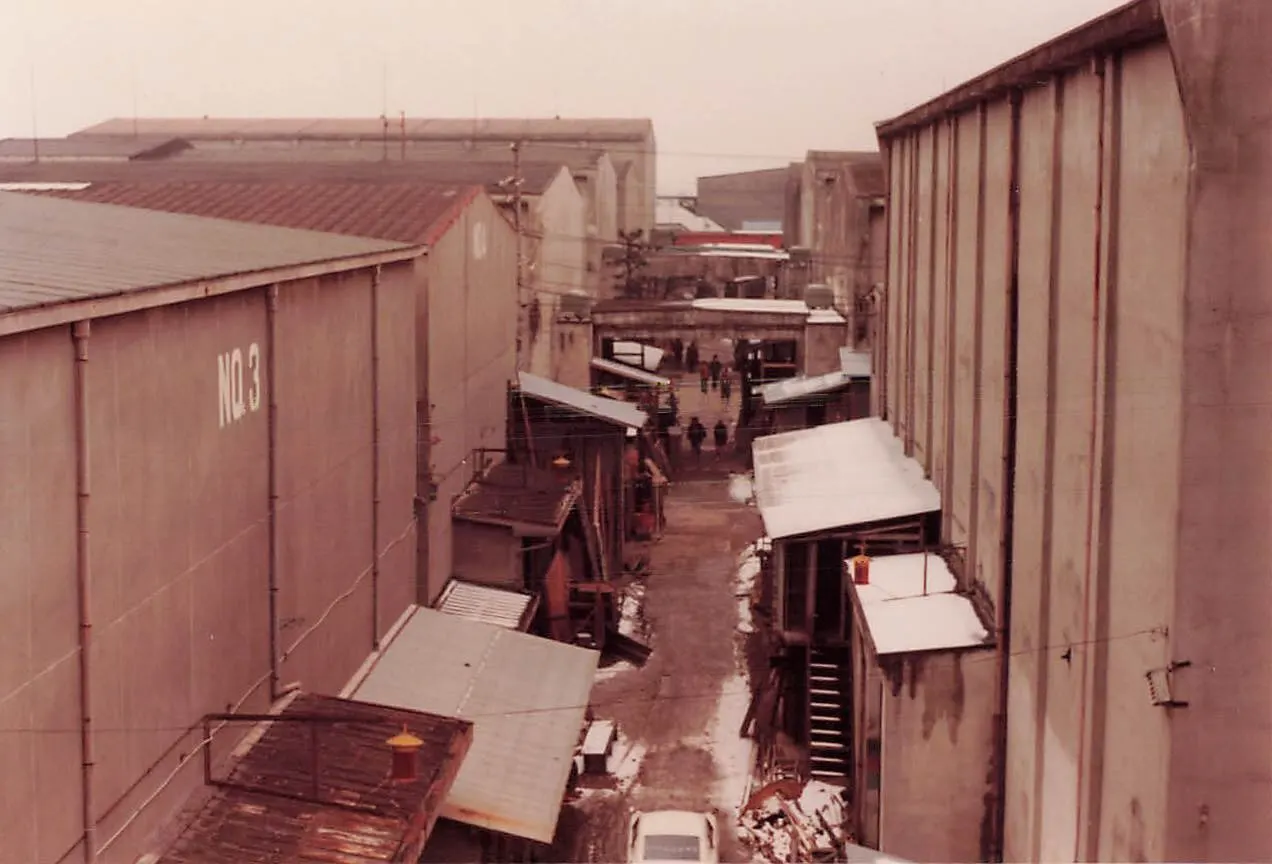
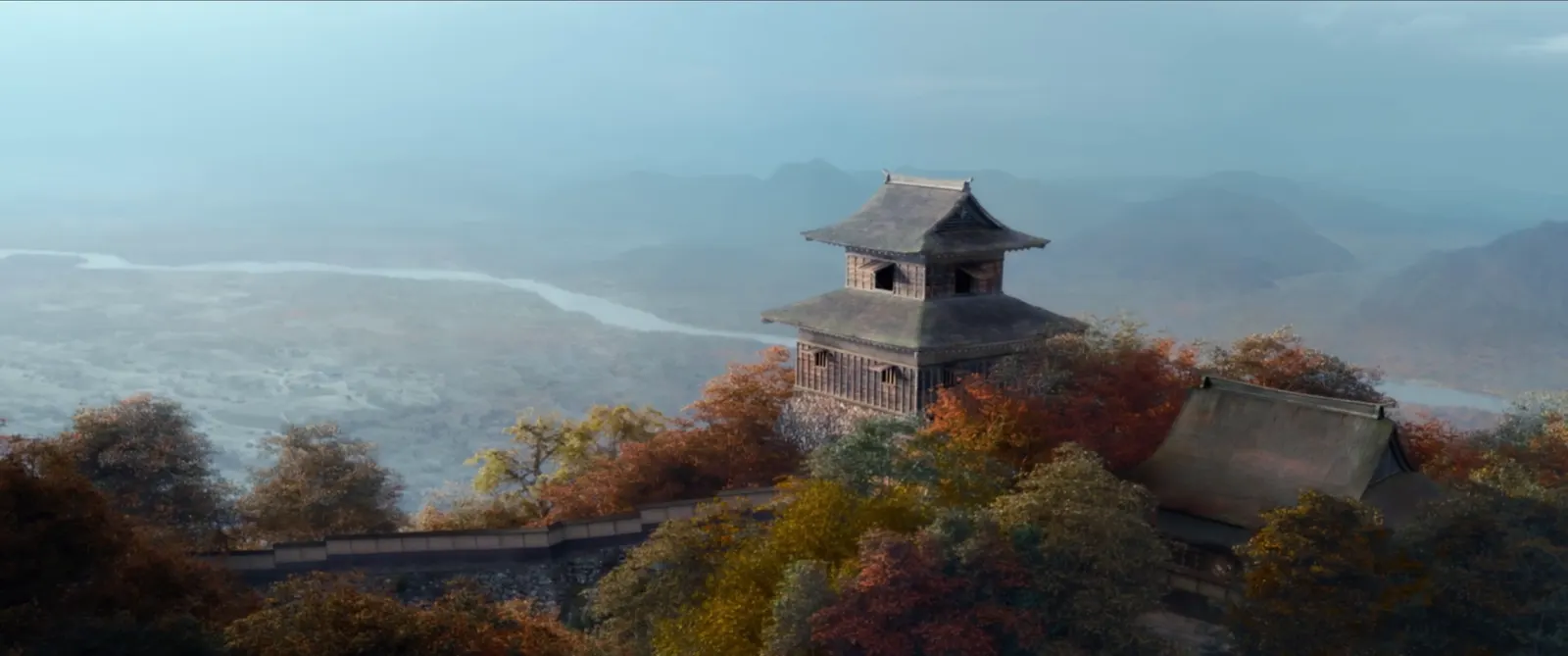
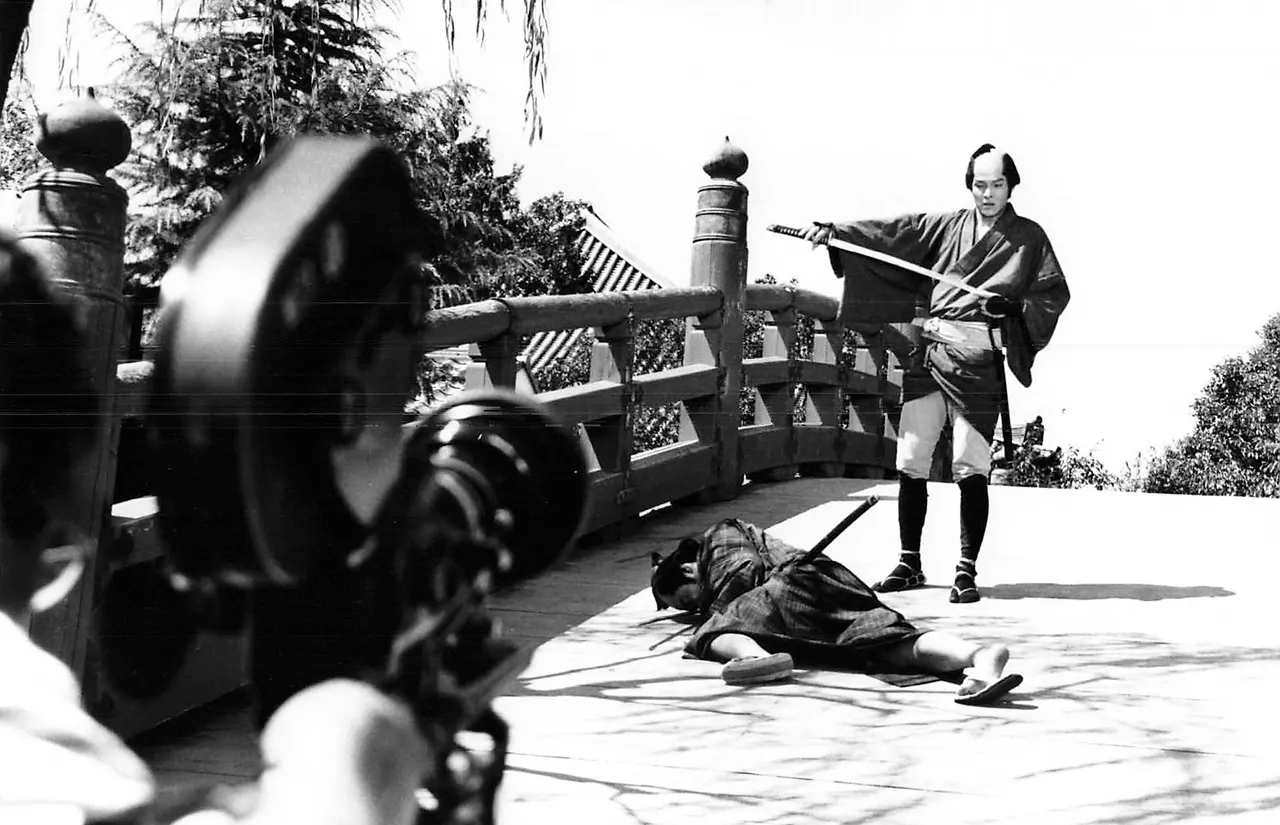
Japan’s longest operating film studio and the home of jidaigeki, the period drama. Eleven sound stages, the country’s largest permanent outdoor backlot, and master artisans who have spent their lives on swords, wigs, armor and kimono.

  • Edo period streets, a castle town and a river set, standing and shootable
  • Stage 11: 1,062 m², the third largest in Japan
  • Japan’s largest dirt floor stage for water and terrain effects
  • The Toei elite stunt team, masters of samurai choreography
  • Two hundred experienced in house actors

The Makanai for Netflix, Rurouni Kenshin, The Legend & Butterfly, Memoirs of a Geisha, Tora! Tora! Tora!
Toei Tokyo Studios

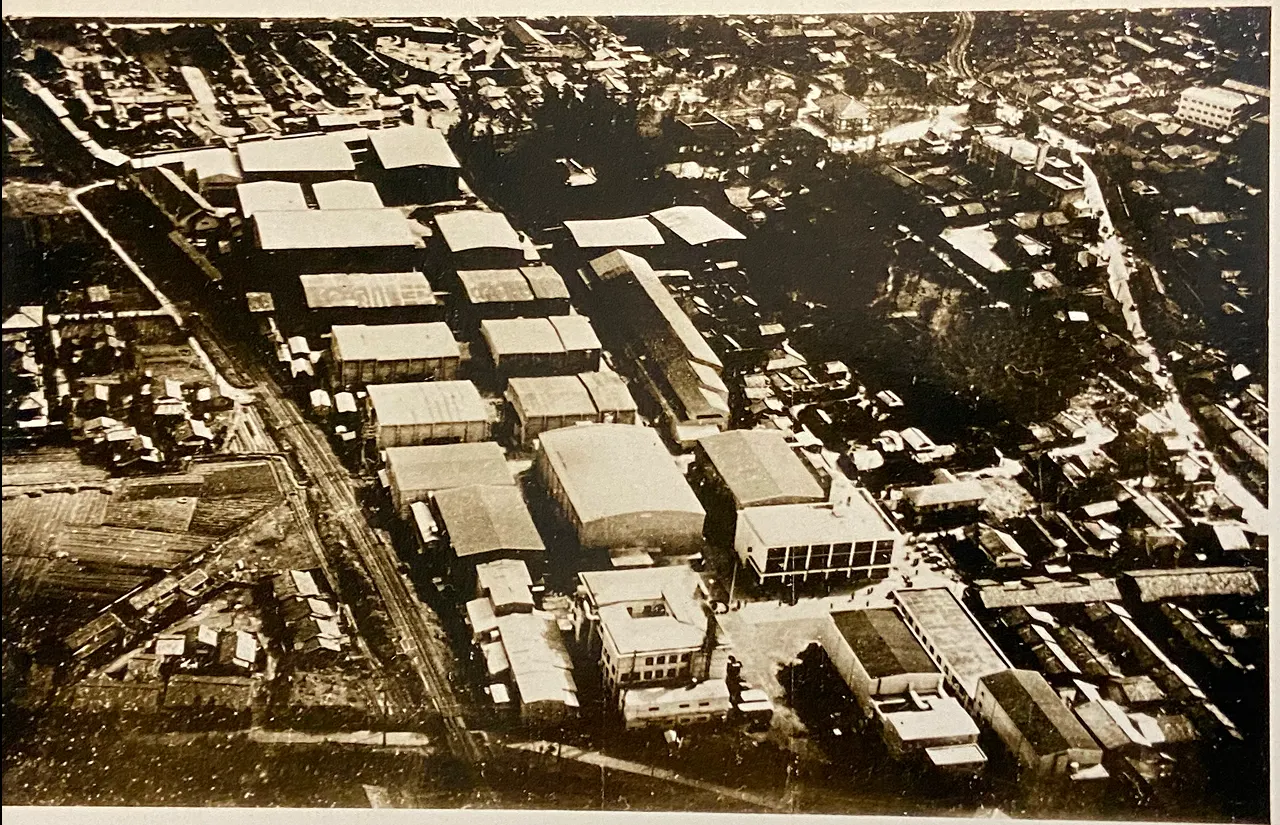
Oizumi, Tokyo. Founded 1935.

One of the busiest studios in Japan, with around 350 credits a year. Seven sound stages, a 2,500 m² art department, in house post production, and the newest virtual production floor in the country.

  • Japan’s only 270 degree curved LED volume, Stage 11
  • Black Studio with a USC ICT Light Stage for digital humans
  • 48 camera Vicon optical motion capture, body and face at once
  • Editing suites, dubbing stages and a screening theatre on the lot
  • Casting and talent management under the same roof

Battle Royale, The Bullet Train, The Blood of Wolves, The First Slam Dunk, Monster Hunter: Wilds

Eighteen stages, drawn to scale

Every stage on both lots as a volume you can read, with a 1.7 m figure for scale. Pick a lot, then a stage.

Length
29 m 95.1 ft
Width
17.5 m 57.4 ft
To catwalk
9 m assumed
Floor
507.5 m² 5,463 ft²

Catwalk height is not published for the Kyoto stages

Kyoto · Stage 2

The craft on the lot

From a sword forged by hand to a face captured at 48 angles. Every department is in house and a short walk from the stage.

Master artisans

Sword forging, armor, calligraphy and textile arts, carried by craftsmen who trained for a lifetime on the Kyoto lot.

Kyoto

Wigs and makeup

Handcrafted wigs and period accurate styling, from a geisha’s hair to a samurai’s battle face.

Kyoto

Costume

Thousands of samurai, ninja and geisha costumes, historically correct and fitted for modern shoots.

Kyoto

Elite stunt team

Sword fighting, hand to hand combat and high action, choreographed by the team behind decades of jidaigeki.

Kyoto

Set design and construction

Edo streets on the backlot or a custom interior built from scratch in a 2,500 m² workshop.

Both lots

Virtual production

A 270 degree curved LED volume, permanent on the Tokyo lot and wired into the art and camera departments. Any Japanese landscape, any time of day.

Tokyo

Motion and facial capture

48 camera Vicon optical capture with simultaneous face and body, plus a Light Stage for photoreal digital humans.

Tokyo

VFX and CG

Unreal Engine pipelines, Toei’s own facial capture software and motion libraries, used on The First Slam Dunk and Monster Hunter: Wilds.

Tokyo

Post production

Editing suites, dubbing stages and a screening theatre, so a production can finish on the lot it shot on.

Tokyo

A filmography written on these stages

Move over a title to see its poster.

  1. Battles Without Honor and Humanity1973Kinji FukasakuKyoto
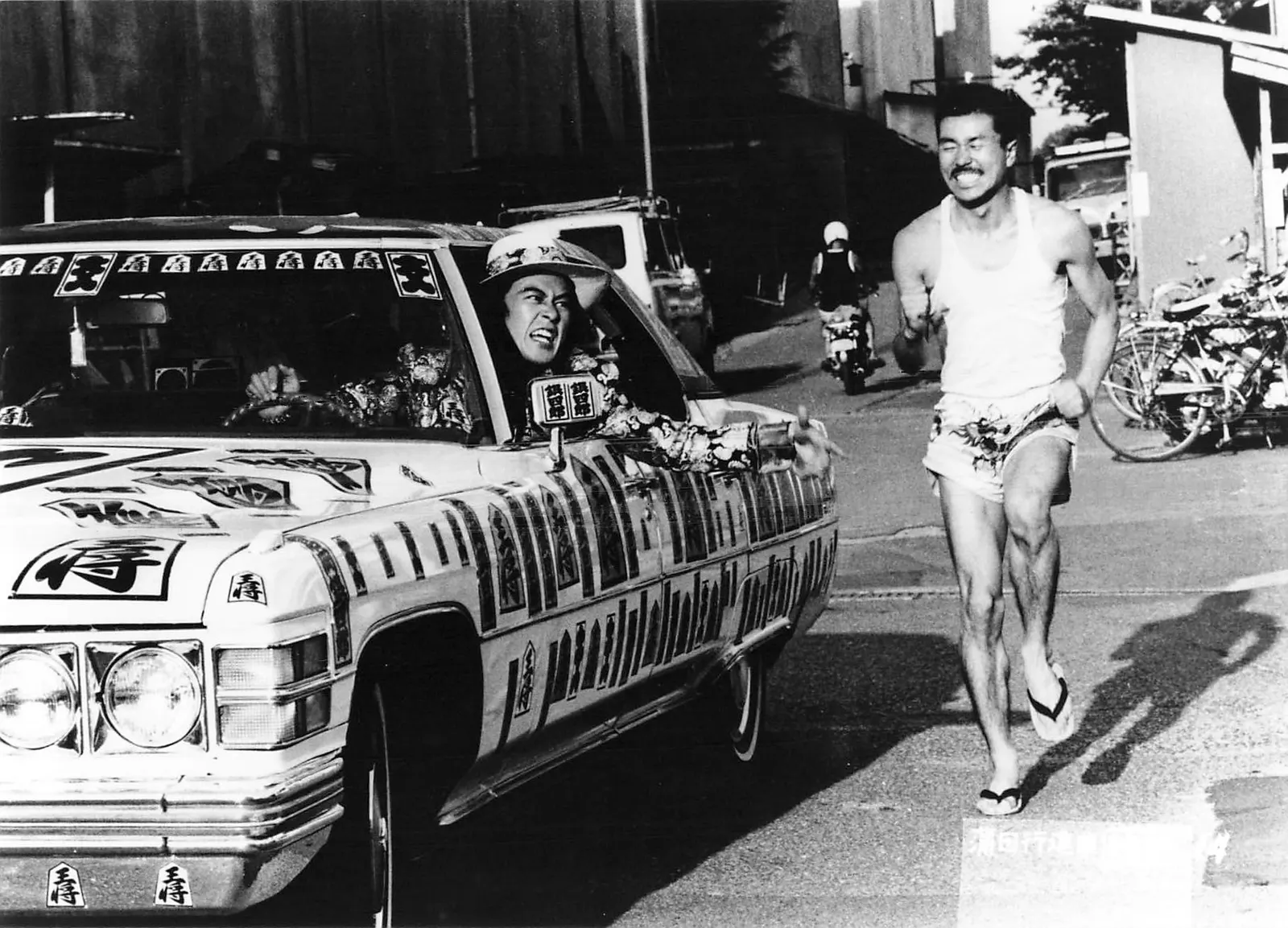
  2. The Street Fighter1974Shigehiro OzawaKyoto
  3. The Bullet Train1975Junya SatoTokyo
  4. Shadow Warriors1980Eiichi KudoKyoto
  5. Yakuza’s Ladies1986Hideo GoshaKyoto
  6. Poppoya, Railroad Man1999Yasuo FuruhataTokyo
  7. Battle Royale2000Kinji FukasakuTokyo
  8. Hayabusa: The Long Voyage Home2012Tomoyuki TakimotoTokyo
  9. 125 Years Memory2015Mitsutoshi TanakaKyoto
  10. The Blood of Wolves2018Kazuya ShiraishiTokyo
  11. The Legend & Butterfly2023Keishi OtomoKyoto
  12. Muromachi Outsiders2025Yu IrieKyoto

With the world’s studios and streamers

The Makanai: Cooking for the Maiko House, Hirokazu Kore-eda for Netflix. My Undead Yokai Girlfriend for Amazon. Rurouni Kenshin. Memoirs of a Geisha. Tora! Tora! Tora! The Ramen Girl. Rain Fall. Map of the Sounds of Tokyo.

A hundred years in Uzumasa

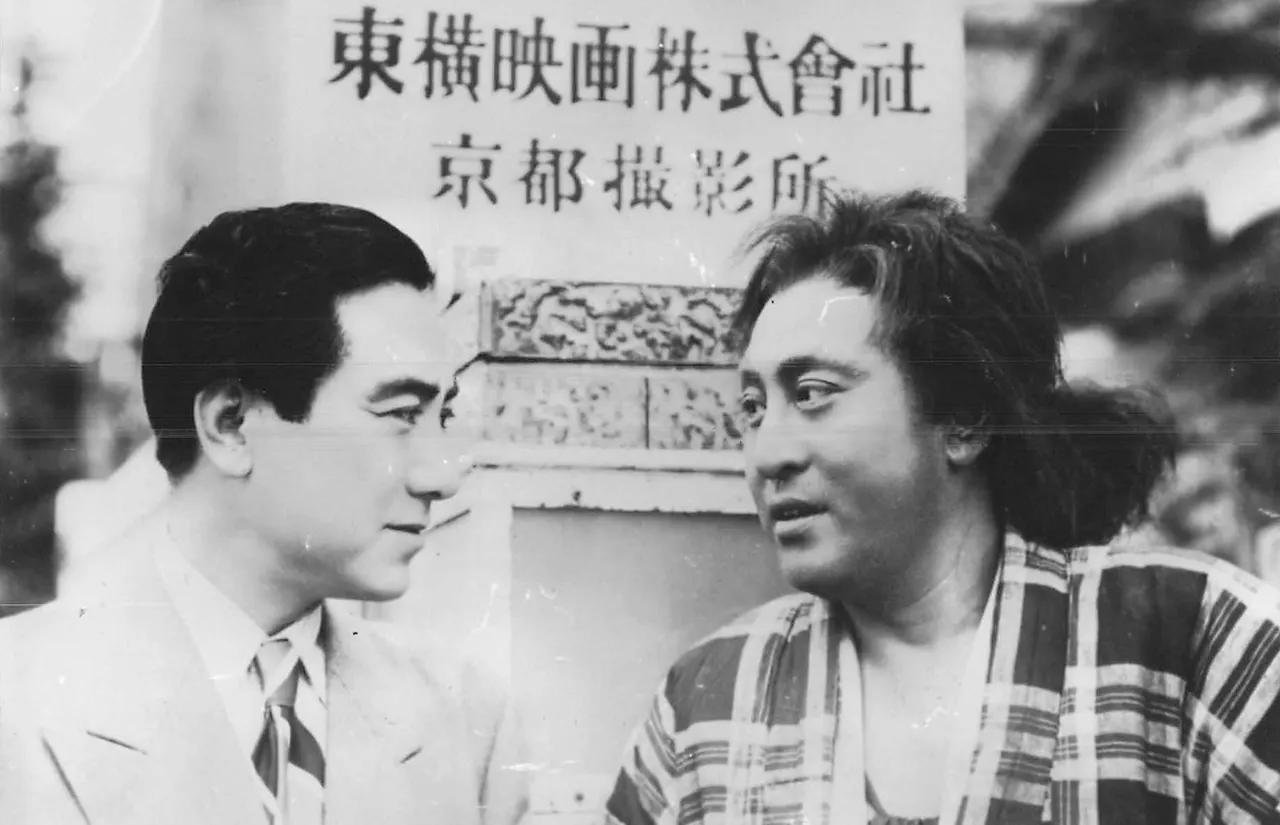
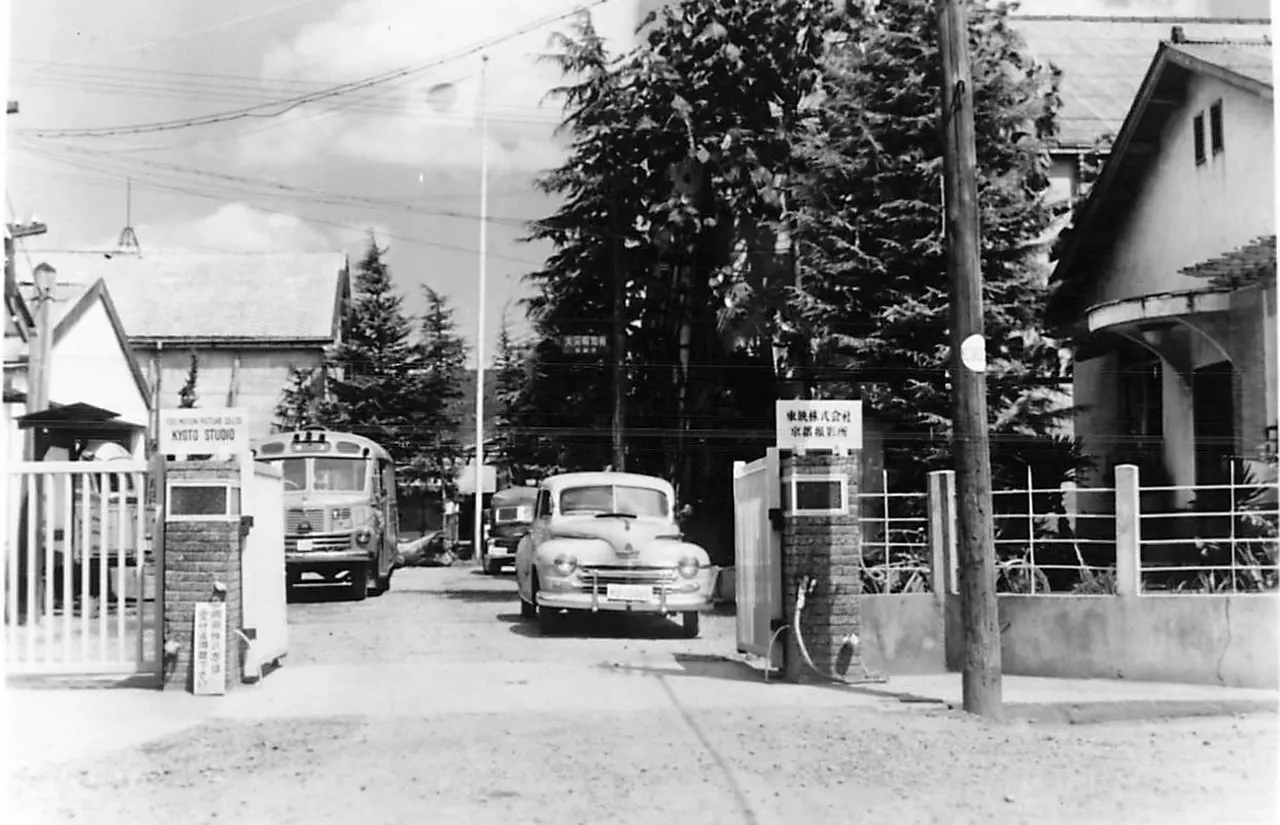
The Kyoto lot opened in 1926 as Bantsuma Productions, the studio of the actor Bando Tsumasaburo. It joined Toei Company in 1951 and has not stopped shooting since. In 2026 the studio turns one hundred and Toei turns seventy five, with an expansion of the lot already planned.

Bring the production to Japan

Stunning locations, real funding, and one partner for the paperwork.

JLOX+, the location incentive

The Japanese Government’s location subsidy programme covers a portion of production costs for large scale international films, series and streaming projects shot in Japan. Toei helps you qualify and apply.

Toei incentives

On a case by case basis Toei invests beyond production services: as financial backing, as production service partner, or as the distributor in the Japanese market.

Everything around the shoot

Visas for foreign crew, production offices on the lot, accommodation from luxury hotels to ryokan, and transport for crew and equipment. Kyoto is 1.5 hours from Kansai airport and 2.5 hours from Tokyo by bullet train.

Tell us about the film

Toei Company, Ltd. International Division, Production and Strategy. We reply from Tokyo within two working days.

[email protected]